Four conditions
Capacity is the precondition for adaptability.
The Prechange Way prepares the conditions people need (energy, headroom, perspective and habits) so they can absorb change before it begins. Together, these four make up the Prechange Framework.
Energy
Which energy is lowest?
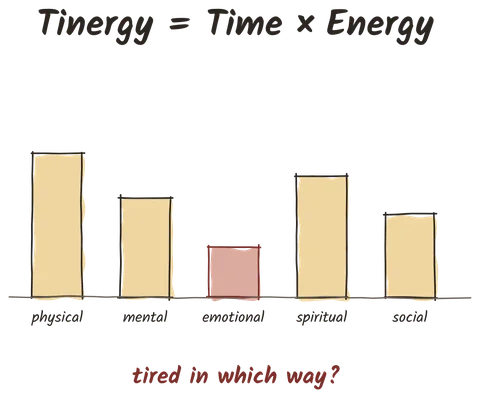
Change takes effort on top of the day job. When people end most days worn out, there is little left to give to something new.
Signs it is low
- People feel worn out by work most weeks.
- Recent changes have left them drained.
- Teams have little energy for improving how they work.
What building it looks like
- Restoring energy in everyday work.
- Noticing and appreciating what is going well.
Headroom
Is there any room to think?
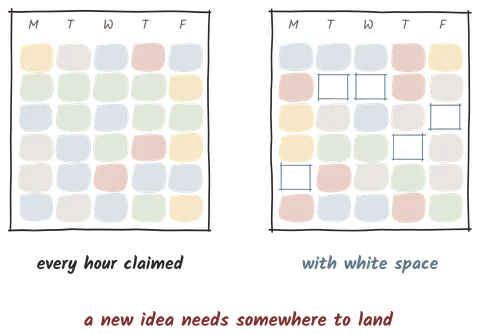
A new way of working has to be learned somewhere. Headroom is the time and attention people have to spare for it.
Signs it is low
- Workloads leave no room for anything extra.
- Focus is broken by constant interruptions.
- People rarely get time to step back and think.
What building it looks like
- Protected time to step back and think.
- Handling several demands at once while staying calm.
Perspective
How much of the change can they see?
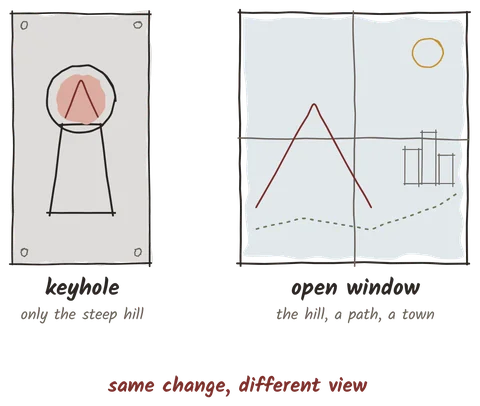
People need to see why a change is needed and how it may help others, not only how it affects them.
Signs it is low
- Changes seem to be made without a clear reason.
- Teams do things the way they have always been done.
- People see only one way to solve a problem.
What building it looks like
- Looking at a situation from more than one side.
- Questioning the usual way when it stops working.
Habits
Will their habits help or pull back?
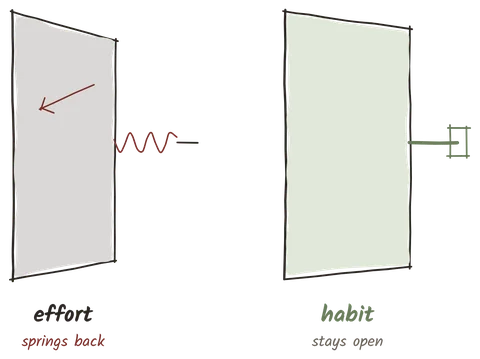
Many changes succeed at first and then fade. Habits decide whether a change holds or quietly slips back.
Signs it is low
- After a change, people slowly drift back to the old way.
- Old routines get in the way of new ones.
- New ways of working are started but never become routine.
What building it looks like
- Agreeing simple steps for when and how to do something new.
- Looking at routines and changing the ones that no longer help.
Built daily, like fitness. Checked before launch.
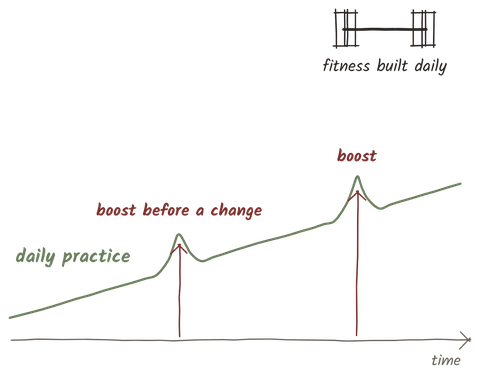
Prechange work is not a one-off event before a project. It has two modes: a daily practice that keeps the four conditions in reasonable shape, and a focused boost before each specific change.
Most change plans assume all four conditions are fine. They are rarely all fine at the same time. That is why they are measured, team by team, before a change is launched.
Is this just wellness?
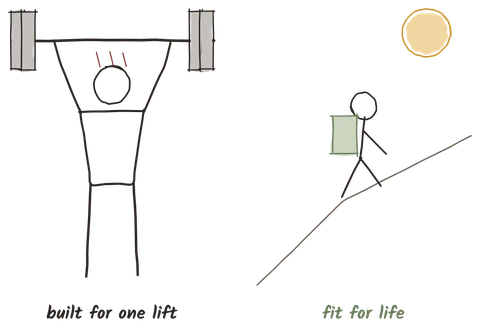
No. Wellness is one input, not the goal. Prechange work is measured against a specific change and linked to whether people adopt it.
The framework draws on Sukant Ratnakar’s earlier work, including Change Anesthesiology and The Sunfish Paradox.
Run the Prechange Check. Get your Prechange Index.
Let’s talk.
A 45-minute video call about the changes ahead, for your organization or for your clients. You decide what, if anything, comes next.
sukant@quantraz.com